Cognitive Behavioral Therapy for Insomnia (CBT-I)
CBT-I is the first-line clinical treatment for chronic insomnia, outperforming pharmacological interventions (like Zolpidem or Trazodone) in long-term efficacy. It is not "sleep hygiene." It is a rigid, structural retraining of the homeostatic sleep drive and circadian rhythm.
The Core Mechanisms
CBT-I breaks the negative associations between the bed and wakefulness while simultaneously restricting sleep to build a massive biological drive for deep sleep.
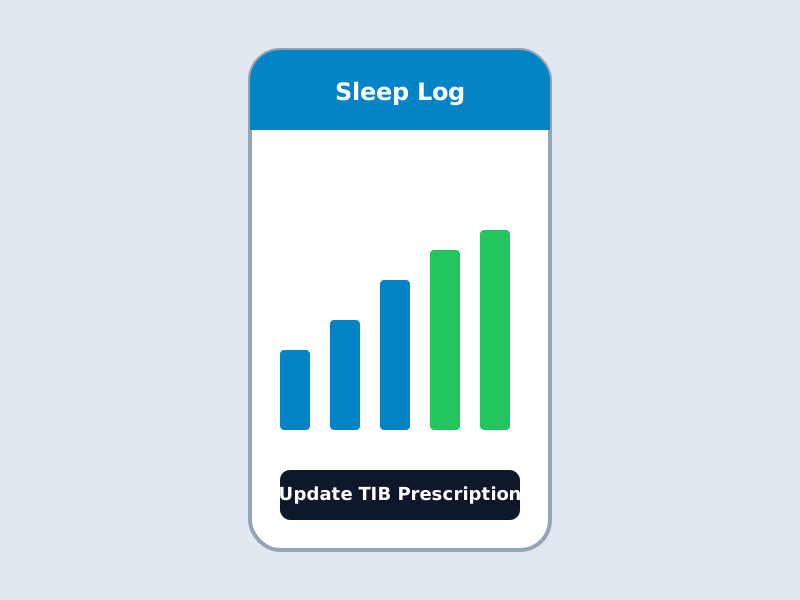
- Sleep Restriction Therapy (SRT): The most difficult, but most effective, component. It involves deliberately limiting Time in Bed (TIB) to match actual sleep time, consolidating fragmented sleep.
- Stimulus Control: Re-associating the bed strictly with sleep. If you are awake for more than 20 minutes, you must leave the bed.
- Cognitive Restructuring: Addressing hyperarousal and the anxiety of not sleeping ("catastrophizing").
Digital Implementation
Because trained CBT-I clinicians are rare, digital therapeutics (apps like Somryst or Sleepio) have been FDA-cleared to deliver the protocols. They rely on user-inputted sleep diaries to calculate Sleep Efficiency and automate the titration of sleep schedules.